Über die Serie
Content Notes & Reader Care
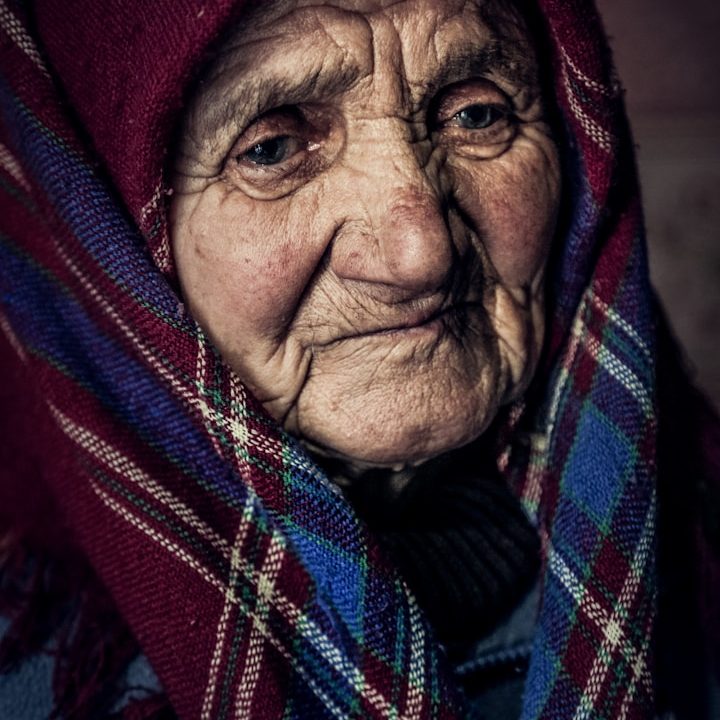

The Granny Cycle deals with extreme subject matter.
Across the series, readers may encounter depictions or discussions of:
graphic violence and its consequences
war crimes and political violence
sexual violence (never eroticized)
abuse justified by religion, tradition, or state power
exploitation, trafficking, and systemic oppression
death, grief, and long-term trauma
harm to vulnerable people, including women and children
Violence in these stories is intentional, explicit, and never presented as entertaining or triumphant.
It is written to confront systems that normalize harm—not to provide catharsis or spectacle.
That said, intent does not erase impact.
If you find yourself overwhelmed, distressed, or triggered while reading, please pause.
Talk to someone you trust.
If you have access to professional support, consider using it.
And if you feel isolated with what the text has stirred up: you are not weak, and you are not alone.
These books are meant to challenge power—not to retraumatize those who have already been hurt.
If stepping away is what you need, that is the right choice.
A note from the Author
About reader care
If the material brings up difficult memories or emotions, you do not have to carry that alone.
If you have trusted friends, community members, or mental health professionals, please reach out to them.
If you genuinely have no safe person available to talk to—and the text has left you struggling—you may contact me.
I cannot replace professional help, and I cannot always respond immediately.
But I will read what you write, and I will take you seriously.
No one should feel punished for being affected by a story that deals with real harm.
This series was not written to glorify violence.
It exists in the uncomfortable space where pacifism becomes an euphemism for abandonment.
The Grannies do not act because violence is good.
They act because everyone who could have prevented it chose not to.
If a story leaves you shaken, that does not mean you failed as a reader.
It means something human was touched.
Please take care of yourself.
Why this series?
The Granny Cycle exists because waiting has failed.
It was not written out of fascination with violence, but out of exhaustion with its normalization.
With the endless demand to be patient.
To stay calm.
To debate basic human rights as if they were negotiable.
These stories are a response to a world in which “female empowerment” is celebrated only when it remains young, attractive, polite, and non-threatening.
Older women are expected to disappear quietly.
Their anger is dismissed.
Their experience is ignored.
Their refusal is pathologized.
The Grannies refuse.
They are deliberately old because the mechanisms they confront are not new.
War, exploitation, religious abuse, political betrayal, colonial violence—none of this began yesterday.
And none of it will end simply because we keep talking about it.
The Grannies were not empowered.
They empowered themselves when every system that should have protected others chose not to.
This series is not an argument for violence.
It is an accusation directed at those who made violence inevitable by doing nothing.
It is written from the place beyond optimism—
where belief in rescue has run out,
but responsibility has not.
The Granny Cycle does not ask the reader to agree.
It asks the reader to stop pretending neutrality is harmless.
This is not a fantasy of justice.
It is a refusal to keep waiting.
What this series is not:
The Granny Cycle is not entertainment designed for comfort.
It is not a revenge fantasy meant to make violence feel good or empowering.
It does not invite the reader to cheer, admire, or identify with brutality.
This series is not satire in the sense of lightness, and it is not comedy in the sense of relief.
Any humor that appears is gallows humor—born of survival, not playfulness.
It is not a superhero story.
The Grannies are not ideals, role models, or solutions.
They exist because something has already gone catastrophically wrong.
This series is not interested in moral balance, clean endings, or redemption arcs.
It does not promise healing, closure, or justice that feels fair.
It is not neutral.
And it is not interested in presenting “both sides” of harm.
The Granny Cycle is also not written to shock for shock’s sake.
Violence is never included to provoke, titillate, or escalate spectacle.
When it appears, it does so because the absence of action would be the greater lie.
Finally, this series is not for everyone—and it is not meant to be.
Choosing not to read is a valid response.
Discomfort is not a failure of the reader.
But neither is refusal.
This series does not ask to be liked.
It asks to be taken seriously.